
AI KIOSK Y TẾ
13/08/2026
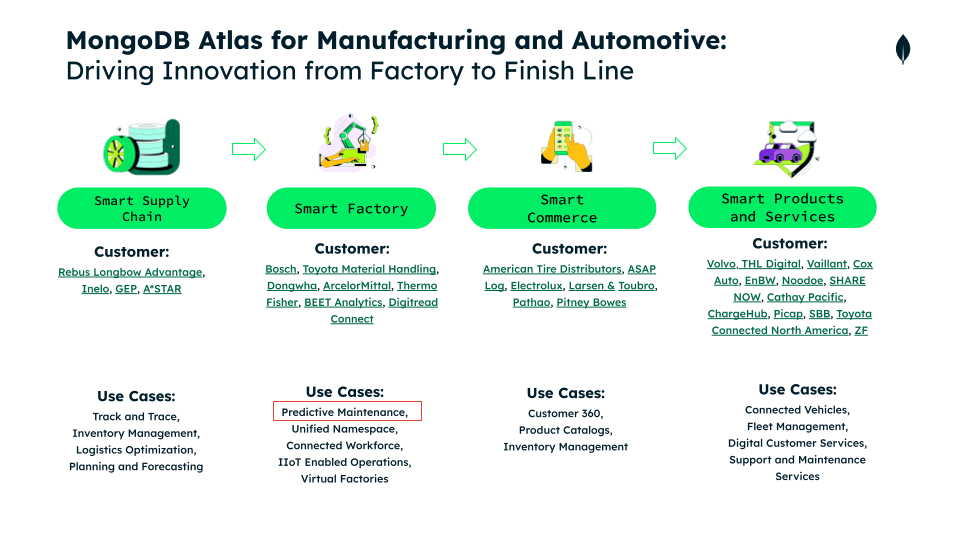
Over the past two years, 89% of manufacturing organizations have embarked on digital and AI transformation journeys. However, only 31% of the expected revenue lift and 25% of projected cost savings have been realized. These figures highlight the untapped potential of AI-driven operational enhancements, particularly in predictive maintenance.
Organizations must adopt a mix of maintenance strategies to balance cost and reliability. Traditional approaches such as time-based and usage-based maintenance are being replaced by predictive and AI-driven maintenance models. Predictive maintenance, utilizing machine data and AI-driven analytics, enables organizations to detect anomalies, predict failures, and perform targeted interventions before breakdowns occur.
.png)
Implementing predictive maintenance strategies can deliver substantial benefits:
40-50% reduction in mechanical failures
35-45% decrease in unplanned downtime
15-20% savings in maintenance costs
25-30% improvement in workforce productivity
Deferred capital expenditures by extending equipment lifespan
Generative AI enhances predictive maintenance through advanced analytics, automation, and intelligent decision-making. Key capabilities include:
Machine Prioritization: AI analyzes sensor data, historical maintenance logs, and expert input to identify high-priority machines.
Failure Prediction: Machine learning models assess sensor readings and operational data to predict failures before they occur.
Automated Maintenance Planning: AI-driven systems generate optimized maintenance schedules based on machine condition and resource availability.
Intelligent Repair Guidance: AI-powered assistants provide real-time, step-by-step repair instructions to technicians, enhancing accuracy and efficiency.
Deploying end-to-end predictive maintenance solutions presents challenges such as data silos, inconsistent documentation, and skill-level variances. MongoDB Atlas and AWS provide a unified platform that integrates structured and unstructured data, enabling seamless AI implementation. By leveraging a combination of AI models, vector search, and automation, manufacturers can overcome these obstacles and unlock the full potential of predictive maintenance.
.png)
The integration of Gen AI and predictive maintenance is shaping the future of manufacturing. Organizations leveraging AI-powered maintenance strategies can expect:
Significant reductions in downtime and maintenance costs
Enhanced workforce productivity and efficiency
Improved asset reliability and extended equipment lifespan
Data-driven decision-making for optimized operations
.png)