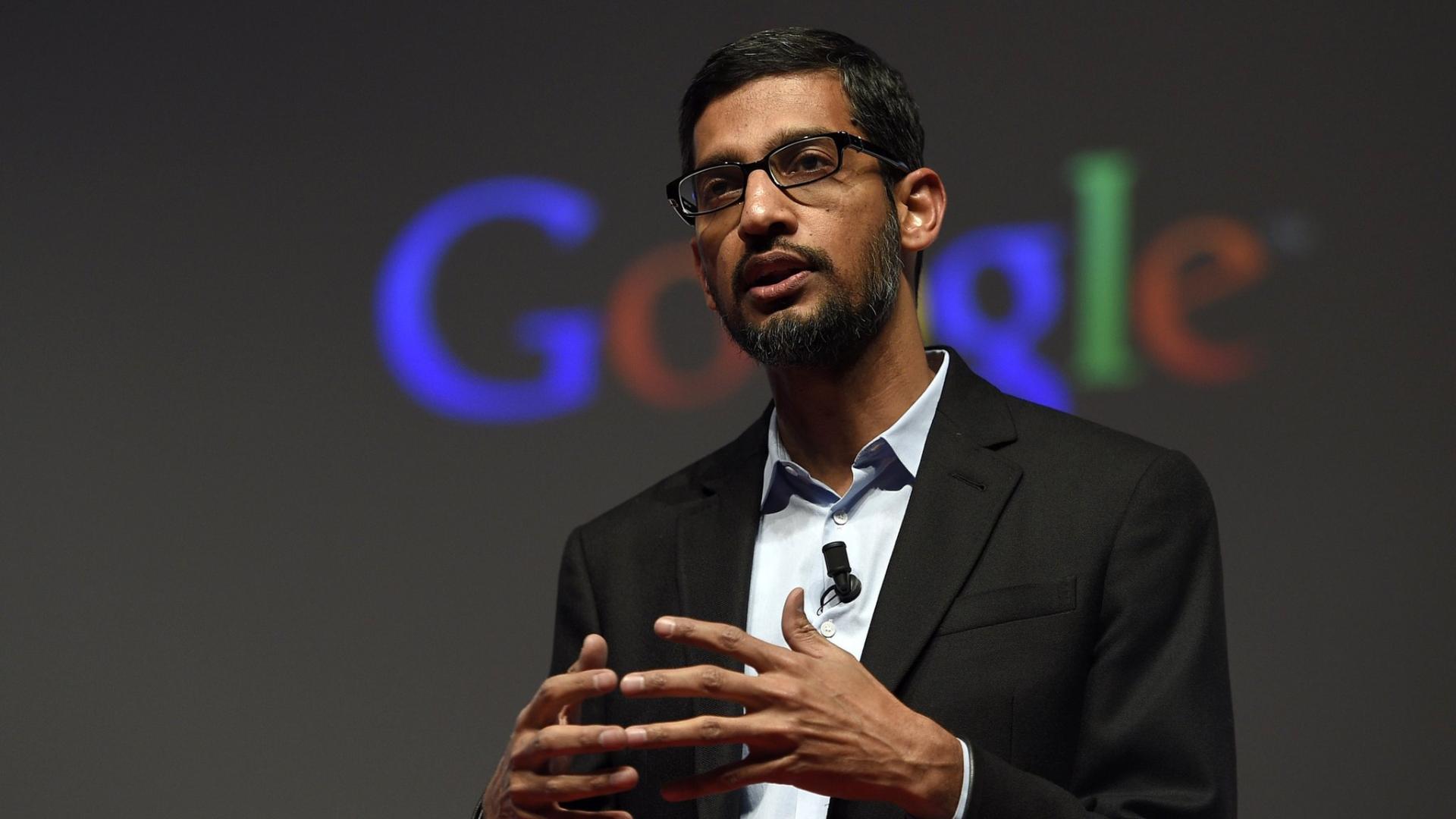
Sundar Pichai, CEO of Alphabet and Google, has shared his profound vision for the future of AI agents, affirming that this is the most significant technological revolution in human history surpassing electricity, the internet, or mobile computing.
According to Pichai, AI is not just a new technology but a "much more profound foundational shift" than any previous technological revolution. He emphasized that Google has long pursued an "AI-first" strategy, and now, in-depth research is being realized into concrete products.
What makes AI unique is its ability to create and self-improve. Pichai cited AlphaGo, the system that taught itself to play Go and surpassed humans in just a few hours as a testament to the potential to "unleash creative power for all of society in a multiplicative way".
Pichai outlined the AI development roadmap in three distinct stages:
Stage 1 - Core Capabilities: Already completed, having demonstrated that transformers and foundational models work effectively.
Stage 2 - Product Development (current): Vigorously underway with an explosion of AI applications. Pichai predicts this stage will last for the next 3-5 years, with products like NotebookLM, Flow, and especially the AR glasses developed with Samsung, Gentle Monster, and Warby Parker.
Stage 3 - Robots and the Physical World: Pichai believes this will be the "next big thing", as AI transitions into the physical world through multi-purpose robots, bringing a "magical moment" to humanity.
.gif)
Regarding AI agents, Pichai described them as a "powerful new form factor" that will change how humans interact with technology. He predicts that businesses will adopt agents faster than consumers, due to the system integration needs of CIOs.
Pichai believes it's "hard to bet against" technology that reduces friction and improves user experience. He drew a comparison to how brands work with retailers or how merchants accept credit card fees, all find value in the new ecosystem.
Regarding the concept of the "agent-first web," Pichai acknowledges there will be challenges as businesses worry about losing direct customer relationships. However, he is optimistic that "users will vote with their feet", choosing the best experience for their lives.
Pichai envisions many new business models, including users paying a subscription fee for agents, and agents sharing revenue with businesses. Although concerns about disintermediation "will slow progress," he believes the development will be "very dynamic" as all parties find value in this new AI agent ecosystem.
.png)