Việt Nam đang bước vào giai đoạn quan trọng của kỷ nguyên số với kế hoạch xây dựng Trung tâm siêu tính toán trí tuệ nhân tạo quốc gia. Đây không chỉ là một dự án hạ tầng công nghệ mà còn là bước đi chiến lược nhằm đưa AI trở thành nền tảng phục vụ toàn dân, đồng thời tạo động lực cho doanh nghiệp công nghệ Việt Nam phát triển mạnh mẽ.
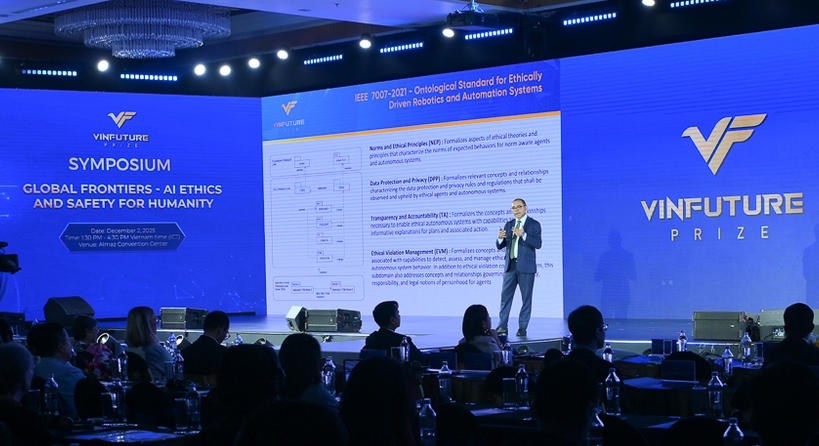
Tại tọa đàm AI vì nhân loại thuộc Tuần lễ khoa học VinFuture 2025, Thứ trưởng Bộ Khoa học và Công nghệ Bùi Thế Duy nhấn mạnh rằng AI đã vượt ra khỏi phạm vi của một công nghệ thuần túy. AI đang trở thành một dạng hạ tầng quan trọng giống như điện, viễn thông và Internet. Những quốc gia làm chủ được hạ tầng này sẽ sở hữu lợi thế vượt trội về kinh tế, xã hội và an ninh.
Chiến lược AI của Việt Nam đặt mục tiêu đưa đất nước bứt phá lên nhóm quốc gia thu nhập cao thông qua việc phát triển và ứng dụng AI một cách chủ động, có trách nhiệm và hiệu quả.
Việt Nam định hướng phát triển AI dựa trên triết lý Mở, bao gồm chuẩn mở, dữ liệu mở và mô hình mở. Đây là con đường giúp Việt Nam nhanh chóng tiếp cận tri thức công nghệ toàn cầu, rút ngắn thời gian làm chủ công nghệ và tạo môi trường thuận lợi để doanh nghiệp nội sáng tạo ra các sản phẩm mang bản sắc Việt Nam.
Thị trường trong nước với hơn một trăm triệu dân cùng sự am hiểu công nghệ cao tạo nên nguồn dữ liệu phong phú giúp huấn luyện và tối ưu các mô hình AI. Bên cạnh đó, Quỹ Đổi mới công nghệ quốc gia dự kiến dành một phần lớn nguồn lực để hỗ trợ doanh nghiệp vừa và nhỏ thông qua các gói ưu đãi AI và chương trình tài trợ nghiên cứu. Đây là thời điểm thuận lợi để các doanh nghiệp công nghệ Việt Nam gia tăng tốc độ đổi mới và mở rộng quy mô sản phẩm.
Là doanh nghiệp Make in Vietnam tập trung nghiên cứu các giải pháp AI phục vụ chuyển đổi số chính quyền, CyberTech đang sở hữu nhiều lợi thế để tận dụng hạ tầng siêu tính toán quốc gia.
Sản phẩm tiêu biểu của CyberTech là AI Kiosk phục vụ Trung tâm Hành chính công. Giải pháp này giúp người dân tra cứu thủ tục, hỗ trợ thực hiện quy trình hành chính, xác thực danh tính và giảm tải cho cán bộ. Đây là một trong những minh chứng rõ ràng cho giá trị của AI trong việc nâng cao chất lượng dịch vụ công.
Khi hạ tầng siêu tính toán đi vào hoạt động, CyberTech sẽ có điều kiện thuận lợi để:
Nâng cao độ chính xác của nhận dạng giọng nói tiếng Việt
Tối ưu hiệu suất của các công nghệ nhận dạng khuôn mặt, OCR và liveness
Phát triển các mô hình trợ lý AI dành riêng cho lĩnh vực hành chính công
Mở rộng khả năng triển khai AI Kiosk trên quy mô lớn
Bảo đảm tiêu chuẩn an toàn và minh bạch theo định hướng của Chính phủ
CyberTech tin rằng Trung tâm siêu tính toán AI sẽ tạo động lực mạnh mẽ để các sản phẩm Make in Vietnam vươn tầm quốc tế, đồng thời hình thành hệ sinh thái công nghệ bền vững phục vụ chính quyền số và xã hội số.
Sự phát triển mạnh mẽ của AI cũng đặt ra nhiều câu hỏi về đạo đức và an toàn. Nhiều nhà khoa học hàng đầu thế giới như Toby Walsh hay Geoffrey Hinton đã cảnh báo về những rủi ro tiềm ẩn của các hệ thống AI thiếu kiểm soát.
Tiếp thu các góc nhìn quốc tế, Việt Nam định hướng phát triển AI dựa trên ba giá trị cốt lõi gồm tốc độ, sự an toàn và tính nhân văn. Song song với việc xây dựng hạ tầng siêu tính toán, Việt Nam cũng sẽ sớm ban hành Luật AI cùng bộ quy tắc đạo đức AI nhằm bảo đảm AI phát triển đúng hướng và phục vụ lợi ích của người dân.
Việc xây dựng Trung tâm siêu tính toán AI quốc gia đánh dấu bước tiến quan trọng trong quá trình nâng cao năng lực công nghệ của Việt Nam. Sự kết hợp giữa chính sách hỗ trợ của Nhà nước, hạ tầng công nghệ hiện đại và năng lực của doanh nghiệp Make in Vietnam như CyberTech sẽ tạo nên một hệ sinh thái AI mạnh mẽ và bền vững.
CyberTech cam kết đồng hành cùng Chính phủ, doanh nghiệp và các tổ chức trong hành trình ứng dụng AI an toàn và hiệu quả, hướng đến mục tiêu đưa AI trở thành công cụ phục vụ cuộc sống của hàng triệu người dân.
.png)
CyberTech đồng hành cùng doanh nghiệp trên hành trình chuyển đổi số thông qua các giải pháp AI, phát triển phần mềm và công nghệ thông minh, góp phần nâng cao năng lực cạnh tranh trong kỷ nguyên số.