Trên thực tế, các bệnh viện trên toàn thế giới đang tạo ra một lượng dữ liệu hình ảnh y tế khổng lồ mỗi ngày. Tuy nhiên, số lượng các bác sĩ chẩn đoán hình ảnh lại không đủ để đáp ứng, tạo ra một gánh nặng vô hình lên hệ thống chăm sóc sức khỏe và trực tiếp ảnh hưởng đến thời gian chẩn đoán bệnh cho bệnh nhân.
Trong bối cảnh đó, Trí tuệ nhân tạo (AI) đang được xem là chìa khóa để giải quyết tình trạng quá tải này, hứa hẹn một cuộc cách mạng trong cách chúng ta phát hiện và điều trị bệnh tật.
Về cơ bản, các ứng dụng AI trong chẩn đoán hình ảnh sử dụng thuật toán học sâu, một nhánh của học máy. Những hệ thống này được "dạy" bằng cách phân tích hàng triệu tấm phim X-quang, CT hay MRI đã được dán nhãn bởi các chuyên gia hàng đầu.
AI học cách nhận diện những dấu hiệu bệnh lý, từ những khối u nhỏ nhất cho đến các tổn thương phức tạp mà mắt người có thể bỏ sót. Điều này có nghĩa là AI không "suy nghĩ" như con người, mà nó nhận dạng các mẫu dựa trên dữ liệu khổng lồ đã học.
Nhiều nghiên cứu quốc tế đã chỉ ra hiệu quả vượt trội của AI. Cụ thể hơn, các thuật toán có thể sàng lọc và phân loại hình ảnh theo mức độ ưu tiên, giúp bác sĩ tập trung vào các ca bệnh nghiêm trọng trước. Thời gian đọc một tấm phim có thể giảm đáng kể, giúp quy trình làm việc hiệu quả hơn.
Đáng chú ý hơn, AI có khả năng phát hiện các dấu hiệu bệnh sớm với độ chính xác cao. Minh chứng rõ nhất là trong lĩnh vực sàng lọc ung thư, nơi AI đã chứng tỏ khả năng nhận diện các tổn thương tiền ung thư tốt hơn, mở ra cơ hội điều trị thành công cao hơn cho bệnh nhân.
Tuy nhiên, con đường ứng dụng AI vào thực tiễn vẫn còn nhiều thách thức. Vấn đề nan giải là làm sao để có đủ dữ liệu chất lượng và đa dạng để huấn luyện AI, tránh những sai lệch nguy hiểm. Bên cạnh đó, các quy định pháp lý, chi phí đầu tư và việc tích hợp công nghệ mới vào quy trình cũ cũng là những rào cản lớn.
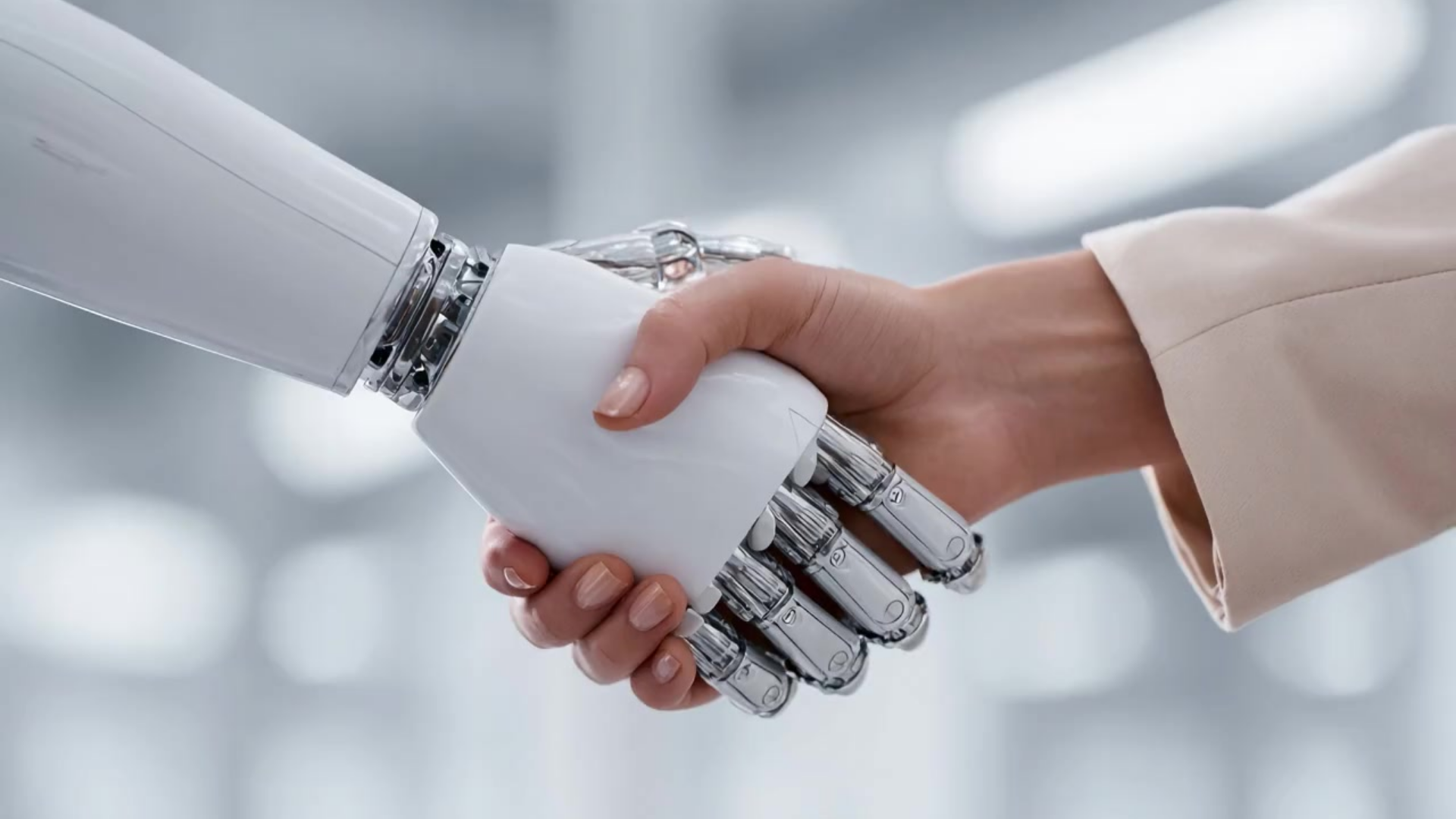
Rõ ràng, AI sẽ không thay thế hoàn toàn các bác sĩ chẩn đoán hình ảnh. Thay vào đó, nó sẽ trở thành một công cụ hỗ trợ mạnh mẽ, một người "trợ lý" không mệt mỏi, giúp các chuyên gia y tế đưa ra quyết định nhanh hơn và chính xác hơn, vì lợi ích cuối cùng của người bệnh.
.png)
CyberTech đồng hành cùng doanh nghiệp trên hành trình chuyển đổi số thông qua các giải pháp AI, phát triển phần mềm và công nghệ thông minh, góp phần nâng cao năng lực cạnh tranh trong kỷ nguyên số.