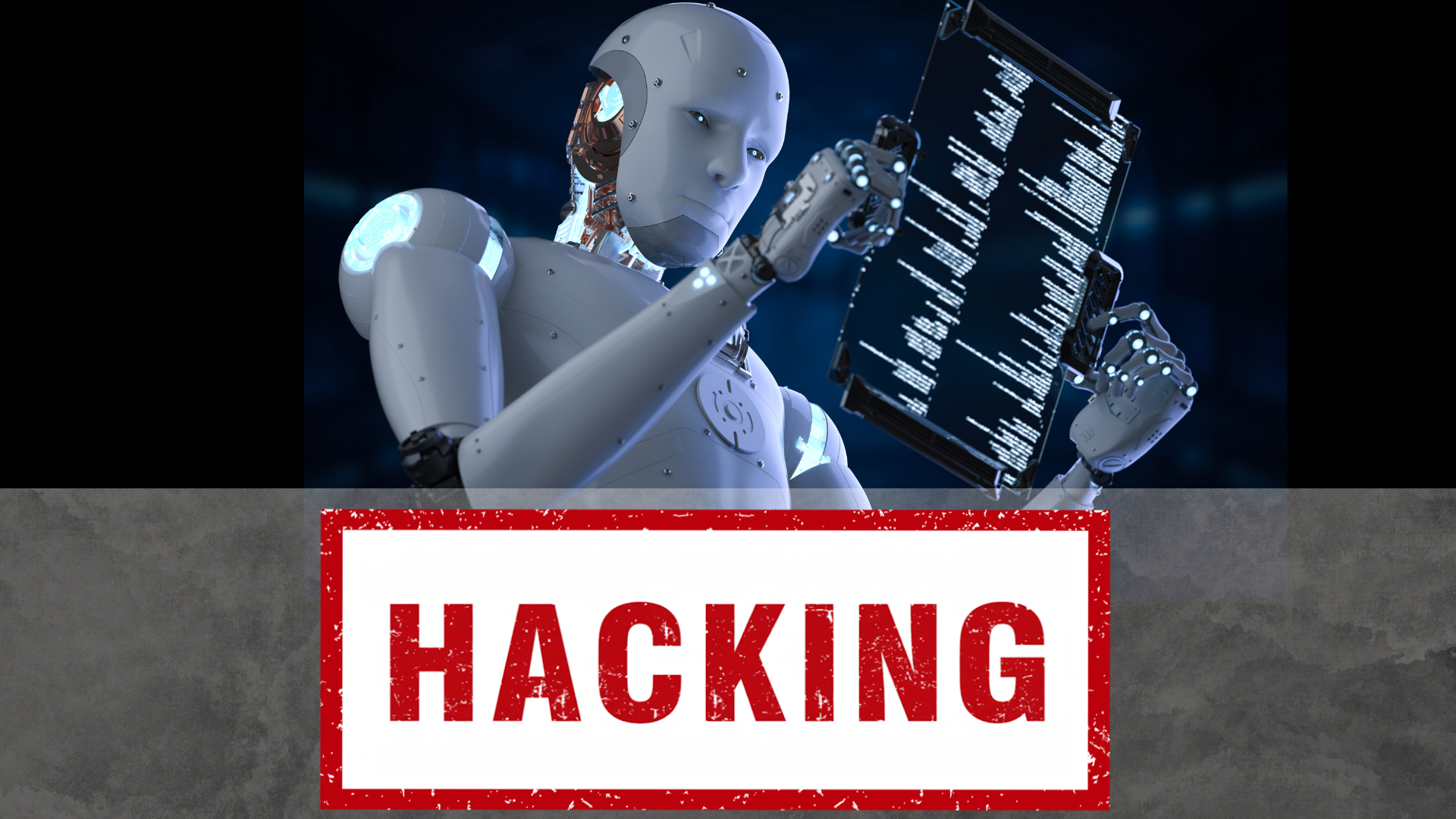
AI Hacking là việc tin tặc khai thác trí tuệ nhân tạo để tự động hóa, tăng tốc và mở rộng tấn công mạng. Nếu trước đây phải cần kỹ năng cao để viết mã độc, lập kế hoạch hay tạo nội dung lừa đảo, thì nay với AI, mọi thứ có thể được thực hiện chỉ bằng vài dòng lệnh. Điều này khiến chi phí thấp hơn, tốc độ nhanh hơn và rủi ro cho doanh nghiệp cao hơn bao giờ hết.
Lừa đảo & giả mạo tinh vi: Email, tin nhắn hoặc cuộc gọi video/giọng nói có thể được tạo ra y như thật để đánh lừa nhân viên, từ đó chiếm đoạt tiền hoặc thông tin.
Quét lỗ hổng & né tránh bảo mật: AI có thể dò quét hệ thống nhanh chóng, tạo ra phần mềm độc hại tự thay đổi để qua mặt công cụ phát hiện.
Tấn công hệ thống AI nội bộ: Hacker có thể “đánh lừa” chatbot, trợ lý AI trong doanh nghiệp để tiết lộ dữ liệu nhạy cảm hoặc hành động sai lệch.
.png)
Doanh nghiệp không nên phụ thuộc vào một công cụ duy nhất. Kết hợp nhiều giải pháp như:
Quét nhiều lớp chống virus.
Sandbox để phân tích hành vi tệp đáng ngờ.
Công nghệ tái cấu trúc nội dung (CDR) loại bỏ mã ẩn trong tài liệu.
Đào tạo nhân viên nhận diện email, cuộc gọi hoặc video giả mạo.
Thực hiện quy trình xác thực hai bước cho giao dịch tài chính quan trọng.
Kiểm soát việc sử dụng AI nội bộ, không cho phép nhập dữ liệu nhạy cảm vào công cụ công cộng.
Các cuộc kiểm thử đối kháng (red team) mô phỏng tình huống thực tế như tấn công giả giọng hoặc tiêm mã nhắc giúp doanh nghiệp thấy rõ khoảng trống trong hệ thống. Từ đó, đội ngũ bảo mật có cơ sở cải thiện quy trình ứng phó, rút ngắn thời gian phát hiện và xử lý sự cố.
AI có thể phân tích dữ liệu khổng lồ và phát hiện dấu hiệu tấn công sớm hơn con người, nhưng không thể thay thế hoàn toàn yếu tố con người. Doanh nghiệp cần đảm bảo mọi quyết định quan trọng liên quan đến bảo mật đều có sự giám sát và phê duyệt của chuyên gia, nhằm giữ tính chính xác và hợp pháp.
Cuối cùng, doanh nghiệp nên thường xuyên đo lường khả năng sẵn sàng trước mối đe dọa AI, bao gồm: tốc độ phản ứng, tỷ lệ vá lỗi hệ thống, mức độ huấn luyện nhân viên và khả năng phối hợp giữa các bộ phận. Những chỉ số này giúp ban lãnh đạo có cái nhìn thực tế để ưu tiên đầu tư vào đúng điểm yếu.
AI mở ra nhiều cơ hội, nhưng cũng trao cho tin tặc “vũ khí” mới để tấn công nhanh hơn, rẻ hơn và khó phát hiện hơn. Doanh nghiệp muốn an toàn phải hành động chủ động, kết hợp công nghệ phòng thủ nhiều lớp, nâng cao nhận thức con người, kiểm thử thường xuyên và giữ con người làm trung tâm trong mọi quyết định.
Nói cách khác, chỉ khi doanh nghiệp sử dụng AI một cách khôn ngoan và có trách nhiệm, họ mới đủ sức đối đầu với chính những mối đe dọa do AI mang lại.
.png)