Theo báo cáo “The State of AI in 2025” của McKinsey & Company, hơn 65% doanh nghiệp toàn cầu đã ứng dụng AI vào hoạt động thường ngày – tăng hơn 20% so với hai năm trước.
Tuy nhiên, chỉ một nhóm nhỏ những “ambitious organizations” (tổ chức tham vọng và định hướng dài hạn) mới thu được lợi ích vượt trội từ AI, bao gồm năng suất, doanh thu, và sự linh hoạt trong vận hành. Những doanh nghiệp này không dừng lại ở việc dùng AI để tự động hóa từng khâu riêng lẻ, mà tái thiết kế quy trình, cơ cấu quản trị và văn hóa ra quyết định dựa trên dữ liệu và mô hình AI.
Các doanh nghiệp tiên phong thường đưa AI vào hoạch định chiến lược và vận hành lõi từ quản trị rủi ro, chuỗi cung ứng, đến chăm sóc khách hàng. Ví dụ: các ngân hàng lớn dùng mô hình AI để ra quyết định tín dụng nhanh hơn 60%, hay các tập đoàn năng lượng sử dụng AI dự báo nhu cầu tiêu thụ theo thời gian thực.
McKinsey chỉ ra rằng những doanh nghiệp đạt giá trị lớn nhất từ AI là những đơn vị “rewire” lại toàn bộ quy trình, nghĩa là họ không gắn AI vào chỗ cũ mà định nghĩa lại cách con người – dữ liệu – mô hình phối hợp. Điều này đòi hỏi đầu tư vào AI governance, dữ liệu sạch, bảo mật, và đào tạo kỹ năng nội bộ.
Theo báo cáo, hơn 75% tổ chức dẫn đầu đã xây dựng cơ chế AI risk management – kiểm soát sai lệch dữ liệu, đánh giá tác động đạo đức và tuân thủ quy định (như EU AI Act 2026). Đây chính là nền tảng để mở rộng AI một cách an toàn và bền vững.
Tại Việt Nam, giải pháp AI Kiosk do CyberTech và GTEL phối hợp phát triển đang minh chứng cho việc AI mang lại giá trị thực khi được triển khai có chiến lược.
AI Kiosk là trạm dịch vụ công tự động tích hợp nhân vật ảo có khả năng giao tiếp tự nhiên bằng giọng nói và hình ảnh, giúp người dân:
Tra cứu và hướng dẫn thủ tục hành chính nhanh chóng.
Tự động điền, nộp và đánh giá hồ sơ trên Cổng Dịch vụ Công Quốc gia.
Giảm thời gian chờ và nâng cao trải nghiệm công dân.
Nhờ cơ chế học máy và tùy biến dữ liệu theo từng địa phương, AI Kiosk đã hỗ trợ đáng kể lượt công dân mỗi tháng, đồng thời giúp chính quyền tối ưu quy trình và giảm tải khối lượng công việc cho cán bộ. Khi AI được tích hợp vào quy trình thực tế, giá trị không nằm ở công nghệ, mà ở sự thay đổi cách tổ chức vận hành và phục vụ người dùng.
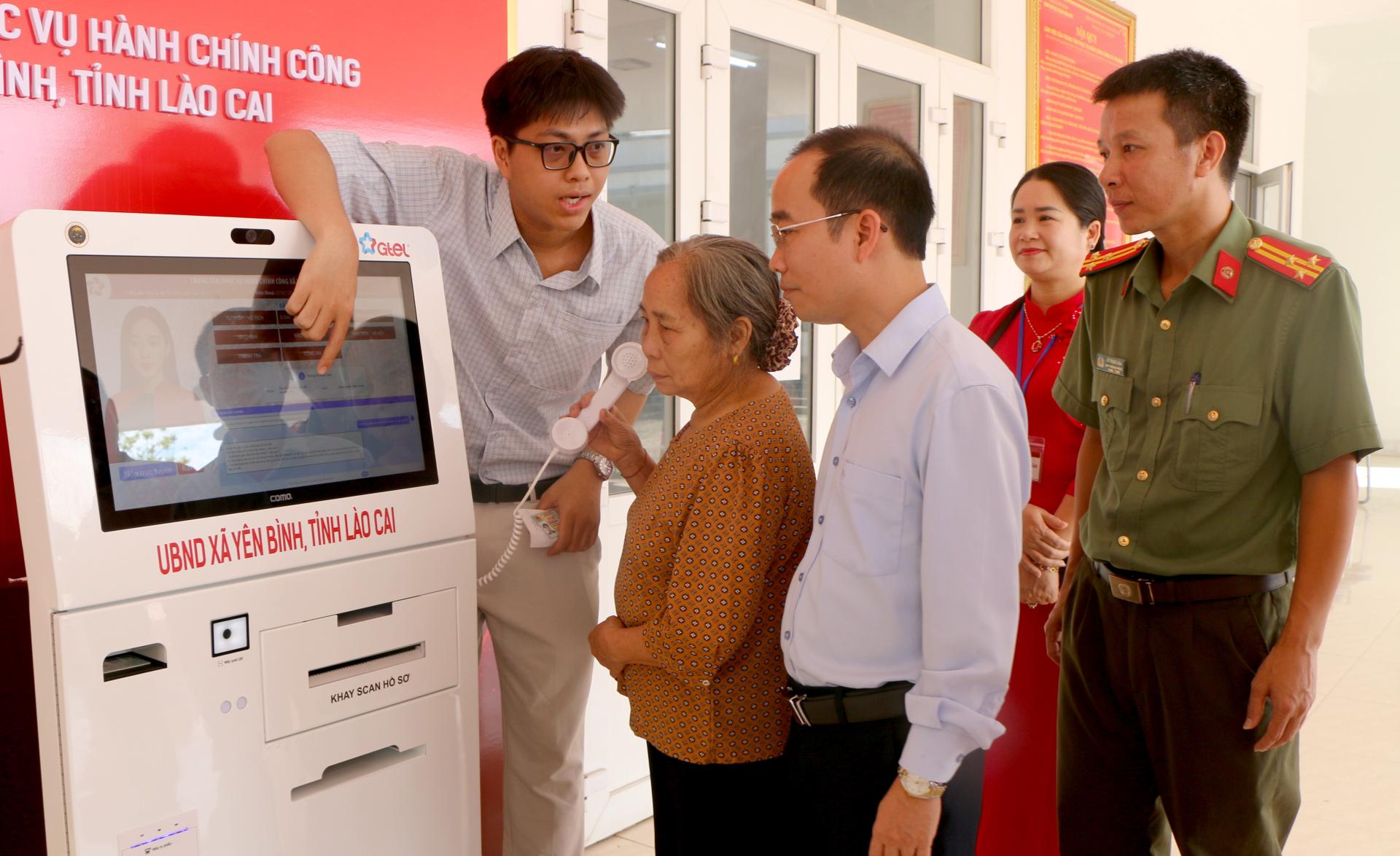
Người dân xã Yên Bình trải nghiệm Cabin hành chính công ứng dụng AI được triển khai bởi GTEL và CyberTech. (Nguồn ảnh: baolaocai.vn)
Để biến AI thành lợi thế cạnh tranh thay vì “xu hướng công nghệ”, doanh nghiệp cần đi theo 4 bước chính:
.png)
Khi làn sóng AI tiếp tục lan rộng, khoảng cách giữa “người dùng AI” và “người dẫn đầu nhờ AI” sẽ ngày càng rõ rệt. Những tổ chức dám đặt AI vào trung tâm chiến lược, tái cấu trúc vận hành và đầu tư dài hạn cho dữ liệu – hạ tầng – con người sẽ là những người gặt hái giá trị thật.
Tại CyberTech, chúng tôi tin rằng AI chỉ thực sự có ý nghĩa khi được triển khai có mục tiêu và đo lường được giá trị. Các giải pháp không chỉ là công nghệ mà là nền tảng giúp doanh nghiệp và chính quyền chuyển đổi vận hành sang mô hình thông minh, hiệu quả và minh bạch hơn.
.png)